
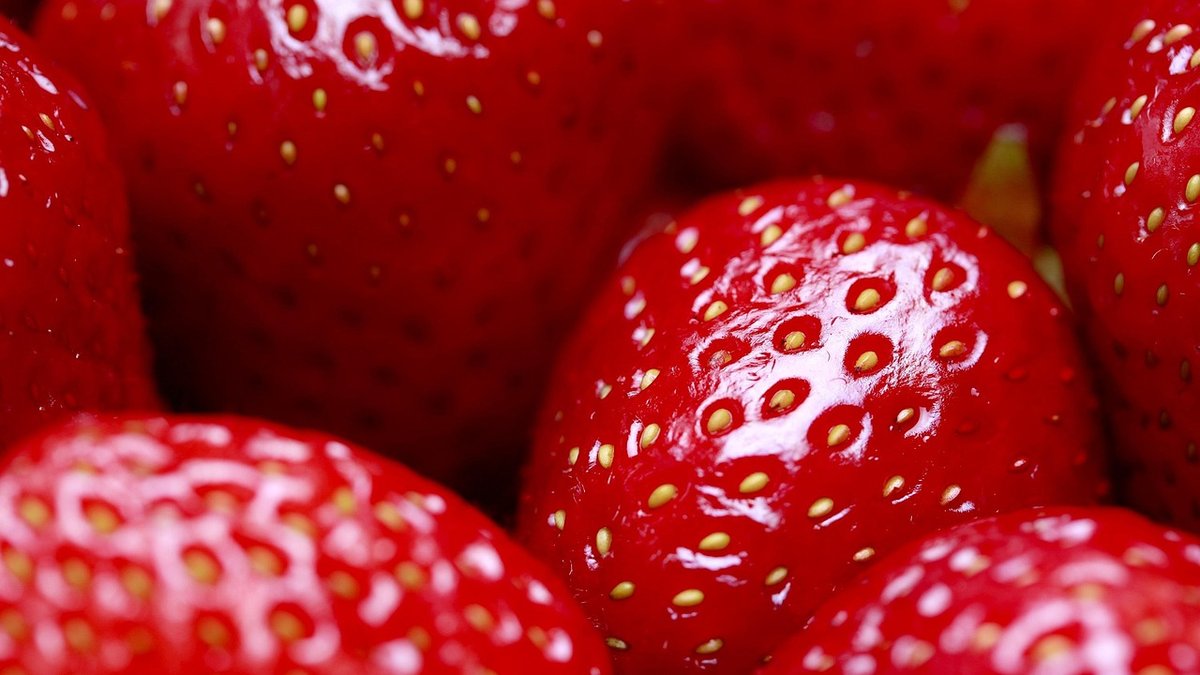
Your mouth is the first stop for everything you eat and drink, and the effects last longer than the few minutes you spend chewing. Sugary and starchy foods feed the bacteria that live in plaque, which produces acids that soften enamel and irritate gums. A diet rich in certain nutrients does the opposite: it helps remineralise enamel, supports the collagen that keeps gums firm, and encourages saliva production to wash away food particles and neutralise acid. The good news is that you do not need exotic ingredients. Many everyday British foods do the job beautifully.
Enamel is the hardest tissue in the body, but it is not indestructible. Calcium and phosphate, alongside vitamin D, are the raw materials your body uses to repair the tiny acid attacks that happen throughout the day. Without enough of these minerals, teeth become more vulnerable to decay.
Vitamin D helps your body absorb calcium. Oily fish, eggs and fortified cereals are useful sources, and sunlight on bare skin during spring and summer tops up your levels.
Gums are made of collagen, a protein that needs vitamin C for repair and maintenance. A shortage can make gums tender, puffy and more likely to bleed when you brush. Getting enough vitamin C each day is one of the simplest ways to keep gum tissue resilient.
Because vitamin C is water-soluble and easily destroyed by heat, try to include at least one raw source each day.
Fibre-rich foods require thorough chewing. That is good news for your mouth. Chewing stimulates saliva, which rinses away debris and delivers minerals back to enamel. Crunchy textures also provide a gentle scrubbing action on tooth surfaces.
Keep in mind that dried fruit, although fibrous, is sticky and concentrated in sugar. It is best eaten with a meal rather than as a standalone snack.
What you sip between meals matters as much as what you eat. Frequent exposure to sugar and acid keeps teeth under attack, so timing is everything.
A practical example shows how easily these foods fit into normal eating. For breakfast, try porridge made with milk, topped with berries and a few almonds. Lunch could be a wholemeal sandwich with cheese and salad, followed by an apple and a glass of water. For dinner, salmon with broccoli and new potatoes works well, with plain yoghurt for pudding. If you need a snack, choose carrot sticks, a small handful of nuts or a piece of cheese rather than biscuits or crisps.
Remember that diet is one part of oral care. Brush twice daily with fluoride toothpaste, clean between your teeth once a day, and visit your dentist regularly. A mouth-friendly diet will not replace those habits, but it gives your teeth and gums the best possible support from the inside out.

Hi, my name is Anthony kuber. I am artist and fashion designer.
I love to travel and writing blogging.
Your email address will not be published. Required fields are marked *
Software Developer & Writer
Hey, I'm Diva, a developer and writer blending code and creativity. I'm driven by a deep curiosity and a relentless pursuit of excellence. Join me as I craft digital solutions and captivating stories.


