
Enamel is the hardest tissue in the human body, but it is also the only one that cannot grow back. Once it thins, the softer, yellower dentine underneath becomes more visible — which is exactly why some people feel their teeth look duller after years of harsh whitening attempts. Safe whitening works by oxidising stains on and just inside the enamel surface, not by scrubbing or dissolving the enamel itself.
The trouble is that a great deal of online advice encourages exactly the opposite. Bicarbonate of soda mixed with lemon juice, cider vinegar rinses and gritty charcoal powders all remove stains by damaging the surface. They can produce a briefly brighter look, followed by thinner enamel, darker-looking teeth and heightened sensitivity. Any whitening method worth using should be judged on one question: does it brighten your teeth without removing mineral from the surface?
Professional whitening begins with an examination. Your dentist will check for decay, gum disease, cracked fillings and exposed roots before any bleaching gel goes near your mouth. Untreated cavities and gum inflammation can let peroxide into places it should not reach, causing pain and irritation.
In the UK, products containing or releasing more than 0.1% hydrogen peroxide may only be supplied by a dentist, up to a legal maximum of 6% hydrogen peroxide, or the equivalent in carbamide peroxide. Dentist-supervised kits normally involve:
Results typically last twelve to eighteen months, depending on your diet and smoking habits, and top-up sessions are usually gentler than starting from scratch.
Over-the-counter whitening is not automatically unsafe — it is simply milder and slower. If you prefer to start at home, look for:
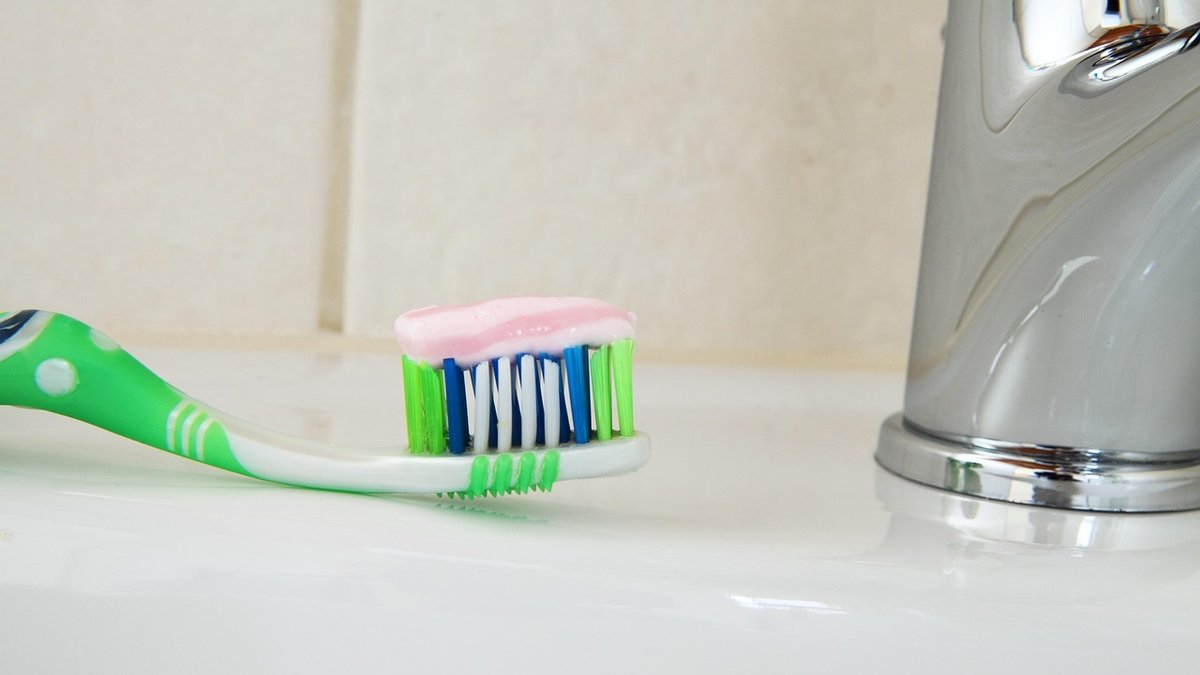
Whitening toothpastes deserve a realistic expectation. They mainly lift surface stains with mild abrasives and enzymes, so they can restore your natural shade but will not change the underlying colour of your teeth. That is not a failure — it is simply a different job.
Some popular remedies are genuinely harmful, no matter how many before-and-after photos accompany them:
Combining an acid with an abrasive, which many viral routines do, is the quickest route to a worn, translucent edge on your front teeth.
A little sensitivity during treatment is common and usually settles within a few days. You can reduce it by brushing with a fluoride toothpaste for sensitive teeth for two weeks before you begin, using a soft-bristled brush and avoiding whitening on days when your teeth already feel tender.
It also helps to wait around thirty minutes after eating or drinking anything acidic before brushing, because enamel is temporarily softened and more easily worn away. Rinsing with plain water or a fluoride mouthwash straight after tea, coffee, citrus or wine limits how much stain has a chance to set. If sensitivity becomes sharp or lingers after the course ends, stop and speak to your dentist — persistent pain is a signal, not something to push through.
Long-term brightness is mostly maintenance. Brush twice daily with a fluoride toothpaste, clean between your teeth daily with interdental brushes or floss, and keep regular check-ups so that tartar, which holds stain, gets removed before it builds up. Reducing tea, coffee, red wine and smoking will do more for your shade than any extra whitening session.
Remember that natural teeth are not paper-white, and the dentine beneath your enamel gives them a warm undertone that no gel can change. Aiming for a shade that suits your face and age will always look better — and safer — than chasing the brightest possible result. Your dentist can help you decide what is realistic, and what will keep your enamel intact for decades to come.

Hi, my name is Anthony kuber. I am artist and fashion designer.
I love to travel and writing blogging.
Your email address will not be published. Required fields are marked *
Software Developer & Writer
Hey, I'm Diva, a developer and writer blending code and creativity. I'm driven by a deep curiosity and a relentless pursuit of excellence. Join me as I craft digital solutions and captivating stories.


